
The ongoing anti-encroachment drive by the Jammu Municipal Corporation (JMC) against unauthorised fixed kiosks and illegal rehri zones, particularly in Gandhi Nagar, has triggered a familiar storm—one that pits civic order against vested interests masquerading as public sympathy. As expected, the move has kicked up dust, but at its core, the drive is neither anti-poor nor anti-livelihood. To set the record straight, it is an overdue attempt to restore the rule of law to streets that have, for far too long, been left to fend for themselves amid creeping chaos.
Meaningful sections of society have largely welcomed the initiative under the stewardship of JMC Commissioner Dr Devansh Yadav. The emphasis on implementing the Street Vendors (Protection of Livelihood and Regulation of Street Vending) Act in letter and spirit—by limiting rehri numbers ward-wise and ensuring clearly demarcated vending zones—is both pragmatic and unavoidable. Urban spaces are finite, and years of unchecked expansion have pushed Jammu’s roads, footpaths, and public crossings to the brink. The time has come to draw a clear line: no means no. Any further abdication of lawful duty in removing unauthorised kiosks that have mushroomed at every nook and corner will only reinforce the perception of Jammu as a city where civic order is negotiable and the rule of law is openly mocked.
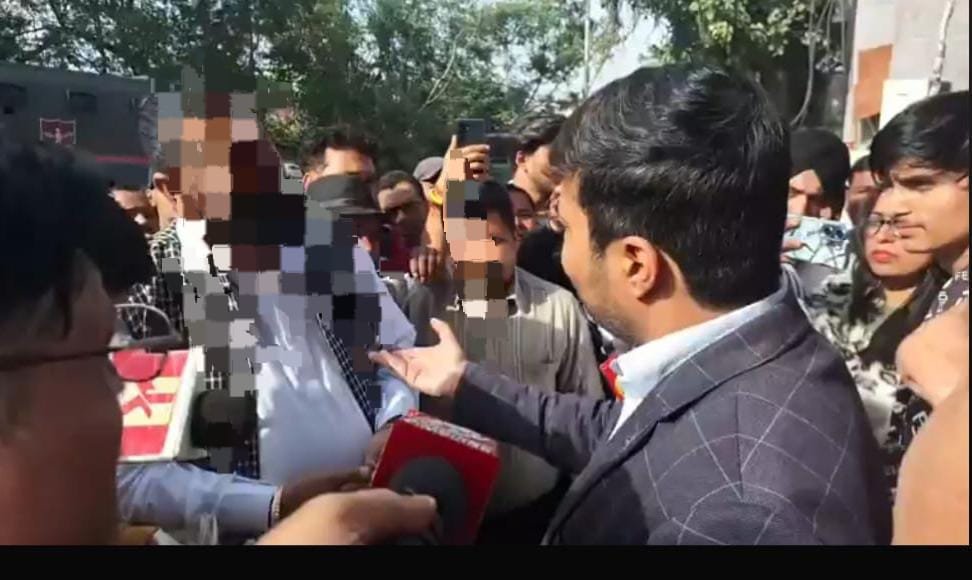
Yet, even as order is sought, a predictable backlash has emerged. A chunk of camera-friendly, self-styled messiahs—many carrying questionable baggage from the past—are trying to throw a spanner in the works through theatrics and intimidation. They appear less like voices of the poor and more like anarchists bent on muddying the waters. Their resistance seems less about safeguarding genuine livelihoods and more about providing cover fire to a deeply entrenched rehri mafia.
Reports suggest that well-off individuals, pulling strings through political and system connections, have illegally planted scores of rehris in prohibited zones such as Gandhi Nagar and other prime locations, only to sublet them later for as much as ₹15,000 per month. What was meant to be public space has thus been converted into a private cash cow. The consequences are plain for all to see: haphazard parking, chronic traffic snarls, endangered pedestrians, and recurring law-and-order flashpoints, particularly during evening hours when the city is already bursting at the seams.
To its credit, the JMC has announced plans for the rehabilitation of genuine vendors affected by the drive. However, it must be said without mincing words—accommodating everyone is a tall order. The city cannot be held hostage to unlawful occupation under the garb of compassion. Separating the wheat from the chaff by weeding out unscrupulous rehri owners—many operating through dummy vendors and petty street leaders—is essential if this exercise is to have any lasting impact.
With rapid urbanisation tightening the noose around civic infrastructure, clipping the wings of enforcement agencies will only open the floodgates to disorder. The time has come for the administration to hold its ground, call the bluff of blackmailers, and deal with the rehri mafia and their so-called messiha with an iron hand. Order on the streets is not a privilege—it is a public right that can no longer be sacrificed at the altar of appeasement.