
JK Globalnews
    Facebook Twitter Instagram
    Latest News
    • Rijiju Sounds the Delimitation Bell for Women’s Quota
    • India crosses 300 GW non-fossil power milestone
    • US tariff threat deepens for India
    • Director Colleges Selection Faces Rulebook Test ?
    • Meta Ordered to Pay $942 Million Over Child Safety Failures
    • CJP’s ‘Kya Bolti Public’ Campaign to Spotlight Youth Issues
    • Parliament Passes Bill Enabling Charges on UPI Payments
    • Research Flags Metal Contamination in Kashmir Chestnuts
    Facebook Twitter Instagram
    JK Globalnews
    • HOME
    • JAMMU
    • KASHMIR
    • WORLD
    • SPORTS
    • FEATURE
    • OPINION
    • OTHER
    JK Globalnews
    Kashmir

    Research Flags Metal Contamination in Kashmir Chestnuts

    By JK Global NewsAugust 6, 2026No Comments2 Mins Read
    WhatsApp Facebook Twitter Pinterest LinkedIn
    Share
    WhatsApp Facebook

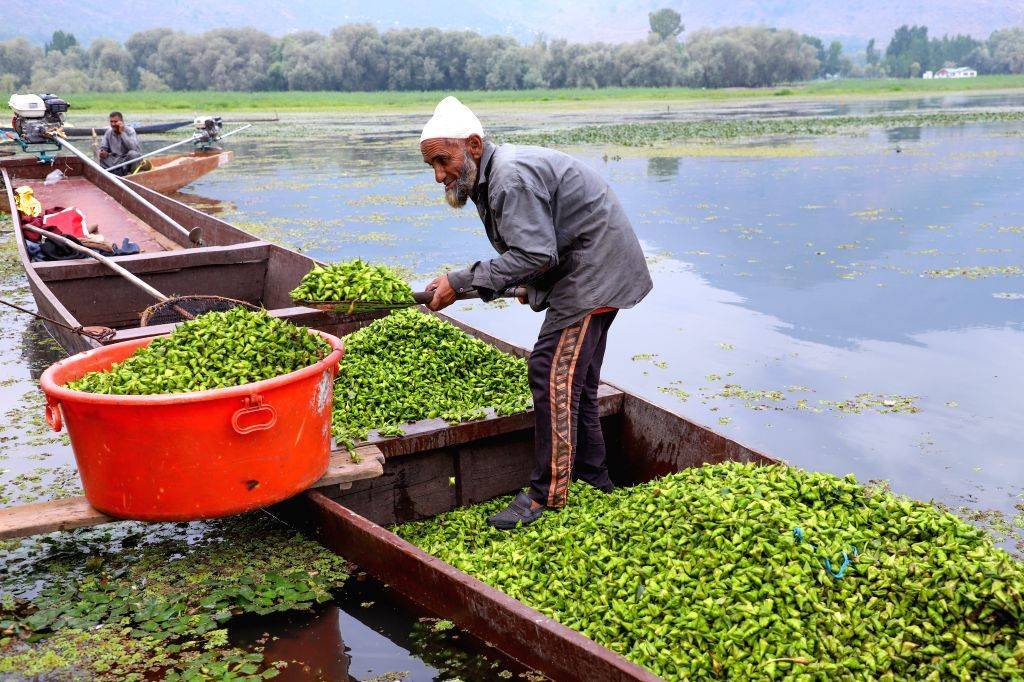
    A study published in the internationally reputed journal Scientific Reports has raised concerns over the presence of heavy metals in edible water chestnuts (Trapa natans), locally known as Gour, harvested from four major freshwater bodies of Kashmir—Dal Lake, Hokersar Wetland, Manasbal Lake and Wular Lake. The research was led by Dr. Mohssen Elbagory of King Khalid University, Saudi Arabia, with Dr. Pankaj Kumar of the Society for Agro environmental Sustainability and Maa Shakumbhari University, India, among the principal researchers. 

    The scientists analysed water, sediments and different plant tissues for eight heavy metals—cadmium, chromium, copper, cobalt, iron, manganese, nickel and zinc. The findings revealed a clear pollution gradient, with Dal Lake recording the highest contamination, followed by Hokersar Wetland, while Manasbal and Wular showed comparatively lower pollution levels. The study also found that the roots accumulated the highest concentrations of heavy metals, although traces were detected in the edible fruits as well. 

    Researchers warned that increasing anthropogenic activities, including untreated sewage, agricultural runoff and urban waste, are contributing to contamination of Kashmir’s freshwater ecosystems. They stressed the need for stringent pollution control measures, regular environmental monitoring and sustainable lake management to safeguard public health, preserve aquatic biodiversity and ensure the long-term safety of edible aquatic produce harvested from these water bodies. 

    Dal Lake Kashmir Chestnut Pollution in Dal Lake
    Share. WhatsApp Facebook Twitter Pinterest LinkedIn Tumblr Email
    JK Global News
    • Website
    • Facebook
    • Twitter

    Related Posts

    Rijiju Sounds the Delimitation Bell for Women’s Quota

    August 8, 2026

    India crosses 300 GW non-fossil power milestone

    August 8, 2026

    US tariff threat deepens for India

    August 8, 2026

    Comments are closed.

    OUR PICKS

    Rijiju Sounds the Delimitation Bell for Women’s Quota

    August 8, 2026

    India crosses 300 GW non-fossil power milestone

    August 8, 2026

    US tariff threat deepens for India

    August 8, 2026

    Director Colleges Selection Faces Rulebook Test ?

    August 8, 2026
    JK Globalnews
    Facebook Twitter Instagram YouTube
    • About Us
    • Grievance
    • Privacy Policy
    • Careers
    • Contact Us
    © 2026 JK Global News. Designed by Leeward Graphics.

    Type above and press Enter to search. Press Esc to cancel.