
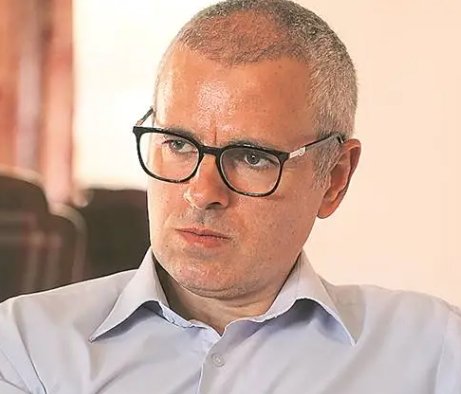
Chief Minister Omar Abdullah’s assertion that no dialogue amid protest by government employees raises a fundamental question about democratic governance. The concern that conceding demands under protest may encourage others to adopt the same route may be understandable from an administrative perspective. But listening to a grievance cannot become conditional upon surrendering the right to peacefull express which is an essential ingredient of a democratic setup. If employees have genuine demands, their merits should determine the government’s response, not the fact that they have chosen to demonstrate.
Historically, peaceful protests has been one of the means through which societies have brought neglected grievances to the attention of those in power. From Mahatma Gandhi’s Satyagraha to workers’ movements and civil-rights campaigns across the world, collective non-violent action has repeatedly pushed authorities to acknowledge issues that remained unresolved through conventional channels. Political scientist Gene Sharp, through his extensive study of non-violent movements, documented protest, strikes and other forms of non-cooperation as instruments through which citizens can push authority for meeting their lawful demands.
It is a bitter truth that a protest always remain inconvenient for those in authority, but inconvenience alone cannot make a grievance unworthy of a hearing. The answer to an agitation should be engagement, negotiation and a decision based on the merits of the demands, not the closing of the door to dialogue. Dialogue and peaceful protest are not adversaries. They are two instruments of a functioning democracy. As head of an elected government, Omar is entrusted with responding to grievances of citizens, including its employees. That responsibility calls for confidence, not conditional engagement. The elected government should have the confidence to hear every peaceful voice, engage with every genuine grievance and decide every demand on its merits. That is not surrender to protest. In fact, that is democracy in practice.