
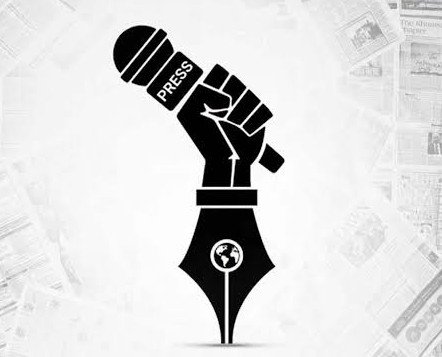
The media landscape has since undergone a remarkable transformation. There was a time when a handful of established newspapers, news agencies and television networks largely controlled the flow of information and determined which issues deserved public attention. That monopoly has now been challenged by digital journalism, independent news portals and citizen journalists. Armed with little more than a mobile phone, ordinary citizens can expose administrative failures, highlight civic neglect and bring the grievances of the voiceless into public view. This democratisation of information deserves recognition rather than resentment.
Independent media has, in many instances, complemented mainstream journalism by highlighting issues otherwise overlooked. While established media organisations continue to play an indispensable role, some sections appear more concerned about their shrinking influence over public discourse than improving their own standards. Competition should encourage innovation and better journalism, not professional hostility. Equally, the freedom to publish must carry the responsibility to verify. Independent portals and citizen journalists must shun sensationalism, distinguish facts from opinions, respect privacy and uphold accuracy and fairness. Journalism cannot become a platform for character assassination or unverified allegations. Credibility, not online visibility, is the true measure of journalistic worth.
Perhaps the gravest challenge confronting journalism today is growing political and administrative interference. Governments, irrespective of their political colour, must understand that questioning authority is not hostility towards the State. Exposing corruption and highlighting governance failures are democratic responsibilities, not anti-establishment activities. Regulatory powers, investigative agencies, access restrictions and government-controlled advertising must never become instruments to intimidate critical voices or silence inconvenient reporting. Legitimate laws must be respected, but they cannot become a pretext for selective harassment. A free press needs more than constitutional assurances; it requires an environment where journalists can investigate and publish without fear.
Press bodies and journalist associations must also rise above selective interventions and defend media freedom without political considerations. On this National Press Day, the message must be clear: journalism needs neither government patronage nor corporate protection, but independence, integrity and courage. Atleast, some shaddy Newspapers Editor Guild should refrain from acting as holy crusaders for corrupt and wrong doers in society.
The future of journalism will not be determined by whether information comes through a newspaper, television channel, digital portal or citizen journalist, but by its credibility and commitment to truth. A free press is not one that publishes what those in power are comfortable with, but one that has the courage to publish what the public has a right to know. Ultimately, journalism must serve the public interest, not the interests of those in power.