
JK Globalnews
    Facebook Twitter Instagram
    Latest News
    • Journalism Must Speak, Not Submit
    • Jammu Police Bust JKSSB Exam Cheating Racket
    • Rotten Meat Seizure Triggers FDA Crackdown, 16 Meat Units Served Notices
    • Govt must come clean on rotten meat supply to Kashmir: Mirwaiz
    • ‘Thug’ Barb Against Dy CM Exposes Deepening Leadership Crisis in NC
    • LG Sinha Urges CLUJ Graduates to Shift from Chasing Opportunities to Creating Them
    • Tons of Rotten Meat Bound for Kashmir Seized at Budgam Railway Station
    • Kashmir University Under Fire Over Chopping of 100-Year-Old Chestnut Trees
    Facebook Twitter Instagram
    JK Globalnews
    • HOME
    • JAMMU
    • KASHMIR
    • WORLD
    • SPORTS
    • FEATURE
    • OPINION
    • OTHER
    JK Globalnews
    Editorial

    Journalism Must Speak, Not Submit

    By JK Global NewsNovember 16, 2026No Comments3 Mins Read
    WhatsApp Facebook Twitter Pinterest LinkedIn
    Share
    WhatsApp Facebook
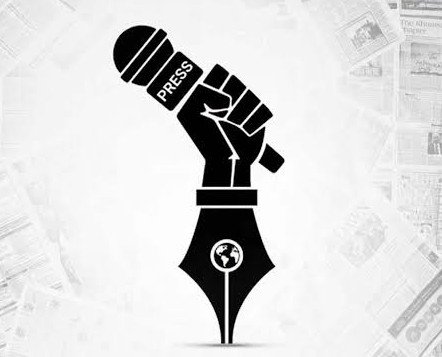
    As India observes National Press Day on November 16, the occasion calls for more than ceremonial speeches celebrating the fourth pillar of democracy. It demands introspection into whether journalism is still fulfilling its fundamental responsibility of speaking truth to power, questioning authority and giving voice to the unheard. The day traces its origins to the First Press Commission’s 1956 recommendation for an independent Press Council. Established on November 16, 1966, the Council was abolished during the Emergency in 1976 and revived in 1979, symbolising the enduring struggle for a free and responsible press.
    The media landscape has since undergone a remarkable transformation. There was a time when a handful of established newspapers, news agencies and television networks largely controlled the flow of information and determined which issues deserved public attention. That monopoly has now been challenged by digital journalism, independent news portals and citizen journalists. Armed with little more than a mobile phone, ordinary citizens can expose administrative failures, highlight civic neglect and bring the grievances of the voiceless into public view. This democratisation of information deserves recognition rather than resentment.

    Independent media has, in many instances, complemented mainstream journalism by highlighting issues otherwise overlooked. While established media organisations continue to play an indispensable role, some sections appear more concerned about their shrinking influence over public discourse than improving their own standards. Competition should encourage innovation and better journalism, not professional hostility. Equally, the freedom to publish must carry the responsibility to verify. Independent portals and citizen journalists must shun sensationalism, distinguish facts from opinions, respect privacy and uphold accuracy and fairness. Journalism cannot become a platform for character assassination or unverified allegations. Credibility, not online visibility, is the true measure of journalistic worth.

    Perhaps the gravest challenge confronting journalism today is growing political and administrative interference. Governments, irrespective of their political colour, must understand that questioning authority is not hostility towards the State. Exposing corruption and highlighting governance failures are democratic responsibilities, not anti-establishment activities. Regulatory powers, investigative agencies, access restrictions and government-controlled advertising must never become instruments to intimidate critical voices or silence inconvenient reporting. The government must also revisit its advertising policy and evolve a transparent mechanism to extend a fair share of public advertisements to credible digital news platforms, on the lines of print media. With their expanding readership and measurable audience engagement, digital platforms deserve recognition as an integral part of the media ecosystem. 

    Press bodies and journalist associations must also rise above selective interventions and defend media freedom without political considerations. On this National Press Day, the message must be clear: journalism needs neither government patronage nor corporate protection, but independence, integrity and courage. Atleast, some shaddy Newspapers Editor Guild should refrain from acting as holy crusaders for corrupt and wrong doers in society.

    The future of journalism will not be determined by whether information comes through a newspaper, television channel, digital portal or citizen journalist, but by its credibility and commitment to truth. A free press is not one that publishes what those in power are comfortable with, but one that has the courage to publish what the public has a right to know. Ultimately, journalism must serve the public interest, not the interests of those in power.

    Digital Media National Press Day 2026 Newspapers Guild
    Share. WhatsApp Facebook Twitter Pinterest LinkedIn Tumblr Email
    JK Global News
    • Website
    • Facebook
    • Twitter

    Related Posts

    Jammu Police Bust JKSSB Exam Cheating Racket

    November 16, 2026

    Rotten Meat Seizure Triggers FDA Crackdown, 16 Meat Units Served Notices

    November 16, 2026

    Govt must come clean on rotten meat supply to Kashmir: Mirwaiz

    November 15, 2026

    Comments are closed.

    OUR PICKS

    Journalism Must Speak, Not Submit

    November 16, 2026

    Jammu Police Bust JKSSB Exam Cheating Racket

    November 16, 2026

    Rotten Meat Seizure Triggers FDA Crackdown, 16 Meat Units Served Notices

    November 16, 2026

    Govt must come clean on rotten meat supply to Kashmir: Mirwaiz

    November 15, 2026
    JK Globalnews
    Facebook Twitter Instagram YouTube
    • About Us
    • Grievance
    • Privacy Policy
    • Careers
    • Contact Us
    © 2026 JK Global News. Designed by Leeward Graphics.

    Type above and press Enter to search. Press Esc to cancel.