
Finally murky affairs of the Transport Department echoes in the Jammu and Kashmir Assembly with startling expose on khella of private Automatic Testing Station (ATS) by BJP MLA Mr.Vikram Randhawa. On the floor of the House, Randhawa’s blunt remarks flagging what many outside the legislature have whispered for years- the Transport Department’s inexplicable fondness for an entrenched private vendor who has virtually monopolised key public services for over a decade. The immediate trigger was operation of a private ATS at break neck speed within one year and swift permission granted to issue physical fitness certificates for gigantic fleet of vehicles belonging to the Jammu Division.
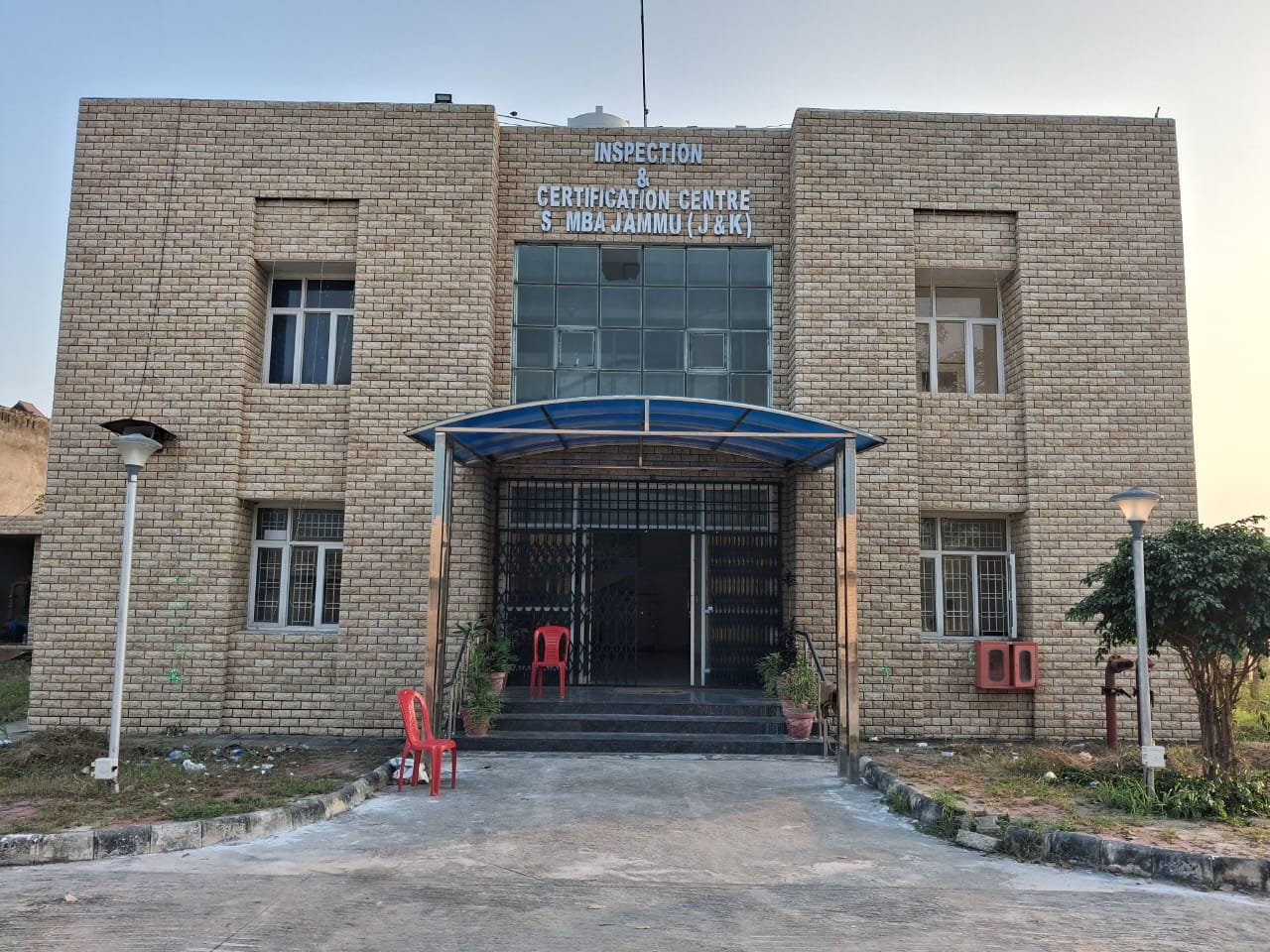
Randhawa’s intervention was not merely a partisan jab; it echoed a deeper institutional malaise. How does a single private player repeatedly emerge as the preferred choice of the Transport Department, regardless of changes in government? And why are public assets systematically sidelined to accommodate private convenience? The question becomes sharper when viewed alongside the baffling fate of the government-owned Automatic Testing Station at Samba. Built at a cost of nearly ₹17 crore from public funds, the facility is fully equipped with German machines, technically compliant, and ready for operation. Yet, it continues to gather dust. No urgency. No accountability. No convincing explanation. The silence is deafening.
More concerning is the adamant posture of the Transport Department, headed by Cabinet Minister Mr. Satish Sharma of the Omar led National Conference government, which only deepens suspicion. If the intent is genuinely to modernise vehicle testing and improve safety standards with transparency, why is a ready-to-use public ATS being kept idle while private facilities are handed crucial regulatory powers? JK Global News time and again has consistently highlighted this anomaly, raising questions that deserve answers, not evasions. Public money is not meant to create showpiece infrastructure for official files, nor should governance be reduced to quietly nurturing private favourites.
Precisely, this is not about public versus private enterprise; it is about fairness, transparency, and responsible use of taxpayers’ money. Allowing government assets to rot while empowering select private players is not governance—it is abdication. The Transport Department must explain whose interests it is really serving, and why public infrastructure is being sacrificed at the altar of convenience and comfort. Silence, in this case, is not neutrality. It is complicity.