
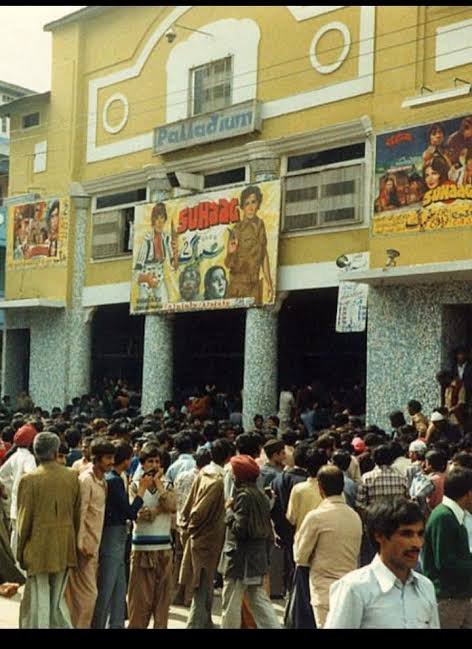
The first International Film Festival of Jammu & Kashmir is a welcome initiative. For Kashmir, it is much more than a celebration of cinema. It is a reminder of a cultural tradition interrupted for more than three decades. Before militancy disrupted normal life, around 15 cinema halls were functioning across the Valley, including nine in Srinagar alone. Broadway, Regal, Palladium, Neelam, Khayam, Firdous, Naaz, Shah and Shiraz were familiar names for generations of cinema-goers. Cinema was then a popular form of entertainment, bringing families, students, employees, traders and young people together.
Suppressing desires of valley residents, the militancy brought this vibrant culture to an abrupt end. Threats by terrorists forced cinema halls to shut down, while subsequent attempts at revival during the 1990s failed amid continuing insecurity. The widespread popularity of cinema before the onset of militancy makes one point particularly clear that the closure of theatres was not driven by any lack of social or cultural acceptance of cinema, but by the climate of terror, threats and coercion created by terrorists in Kashmir. For years, the Valley remained virtually without functioning cinemas. The loss was not merely commercial. An important avenue of entertainment, social interaction and exposure to the outside world disappeared from the lives of ordinary Kashmiris.
Then, a significant change came after 2019, when the efforts of Lieutenant Governor Shri Manoj Sinha gave a fresh push to cinema’s return. Multipurpose cinema halls were opened in Pulwama and Shopian in 2022, followed by Srinagar’s first modern multiplex. Cinema subsequently returned to Baramulla and Handwara in 2023. These initiatives marked an important beginning in restoring a social and cultural space that Kashmir had lost for decades. That beginning now needs to be expanded. With the formation of the popularly elected government led by Chief Minister Omar Abdullah, the responsibility for taking this initiative forward rests substantially with the elected government. The Omar Government should build upon the foundation laid under incumbent LG and create a sustainable environment for survival and multiplication of cinemas in Kashmir. Srinagar needs more screens, while district headquarters and major towns need accessible theatres. Existing multipurpose halls should also be kept operational throughout the year.
The ongoing IFF provides the right moment to give this revival a broader vision. A festival may last only a few days, but a cinema culture has to operate throughout the year. Private investment can be encouraged through a transparent and investor-friendly framework, alongside opportunities for local filmmakers, artists and technicians. The case for cinema extends beyond entertainment. With limited avenues of organised recreation in the Valley, theatres can provide families and young people with a safe social space. Cinema can also expose audiences to different cultures and ideas, generate employment and nurture local creative talent.
Kashmir should not simply recreate its pre-1990 cinema culture. It should build something more modern and sustainable, where mainstream films coexist with Kashmiri cinema, documentaries, children’s films, student screenings and local productions. The reopening of cinema halls under LG Manoj Sinha was an important first step. The onus now is on the popularly elected government to carry that endeavour forward, strengthen it and multiply its reach. The IFF has opened the window. The Omar Government must ensure that it remains open long after the festival ends. Kashmir needs cinema not merely as an event, but as a permanent part of its cultural life.