
Fresh disclosures by RTI activist Balvinder Singh have cast a sharp spotlight on the functioning of AMRIT Pharmacy which has been engaged for supplying medicines and implants across government hospitals in Jammu and Kashmir UT.
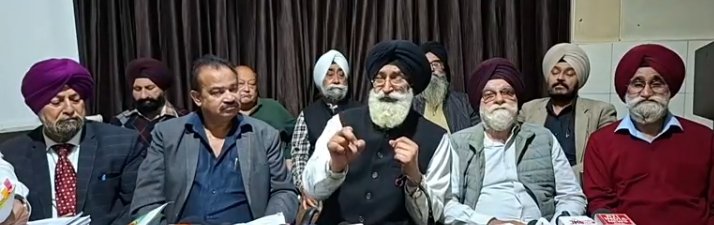
Basing his claims on documents obtained under the Right to Information Act, Singh in a press conference has alleged glaring discrepancies in medicine pricing and procurement practices linked to AMRIT Pharmacy, a Government of India public sector initiative implemented by HLL Lifecare Limited.
The scheme was conceived to provide affordable medicines and implants to patients, particularly those battling chronic and life-threatening illnesses. However, the RTI documents accessed by Singh reportedly suggest that the promise of affordability may not be uniformly translating on the ground.
According to the activist, comparative price data indicates that certain medicines supplied through AMRIT outlets in J&K hospitals were not significantly cheaper than prevailing market rates, raising questions about price advantage claims. He has further pointed to procurement patterns that, he alleges, warrant closer scrutiny to rule out favouritism or inflated supply rates.
Singh has demanded a comprehensive audit of procurement contracts, rate fixation mechanisms and supply agreements governing AMRIT operations in the Union Territory. He has also called for the Health Department to place all rate lists and purchase orders in the public domain to ensure transparency.
The disclosures have nevertheless intensified calls for an independent probe. With public healthcare already under strain, any perception of opacity in a flagship affordability scheme risks eroding trust. If the RTI findings withstand scrutiny, they could trigger a larger policy review of how centrally sponsored pharmacy models are implemented in sensitive regions like J&K.