
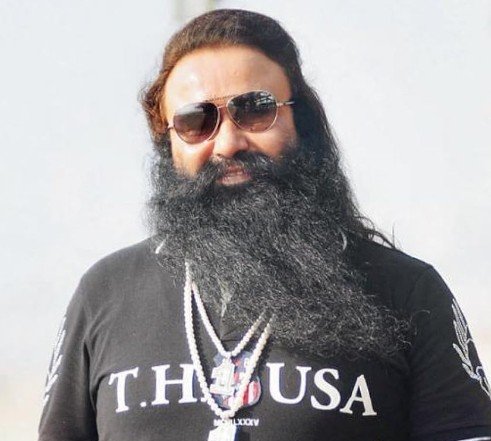
CHANDIGARH : Dera Sacha Sauda chief and self-styled godman Gurmeet Ram Rahim Singh has once again walked out of prison, triggering fresh criticism over what has become a recurring cycle of parole and furloughs for a convict serving a 20-year sentence for raping two women disciples.
The Haryana Government has granted Ram Rahim a 21-day furlough, marking his 17th temporary release since 2020 and his third release this year. He had earlier received 40 days of parole in January and another 30 days in May. With the latest release, he is set to spend around 457 days outside prison through temporary releases.
Ram Rahim was convicted by a special CBI court in Panchkula on August 25, 2017, for raping two women disciples. He was subsequently sentenced to two consecutive 10-year terms, making the effective sentence 20 years.
His controversial legal history extends beyond the rape conviction. He was convicted in the murder cases of former Dera manager Ranjit Singh and journalist Ram Chander Chhatrapati. However, the Punjab and Haryana High Court later acquitted him in both cases—the Ranjit Singh case in 2024 and the Chhatrapati case in March 2026. The Supreme Court has since agreed to hear a challenge to the latter acquittal.
The repeated releases have once again stirred resentment and allegations of unequal treatment. Sikh religious bodies and political voices have questioned why Ram Rahim continues to receive repeated temporary relief while several other prisoners face prolonged difficulties in securing parole or release.
While the Haryana Government have maintain that the release has been granted under the applicable legal framework. Yet the frequency of Ram Rahim’s temporary exits raises a legitimate public-interest question: when a high-profile convict has already spent nearly 15 months outside prison through repeated releases, does the system apply its temporary-release rules with the same consistency to every prisoner?